![How dangerous is uterine prolapse? [The latest tips] | Dr. Shiva Madani](/storage/https://drshivamadani.com/wp-content/uploads/2025/10/5.jpg)
How dangerous is uterine prolapse? [The latest tips] | Dr. Shiva Madani

How dangerous is uterine prolapse?
07/23/1404

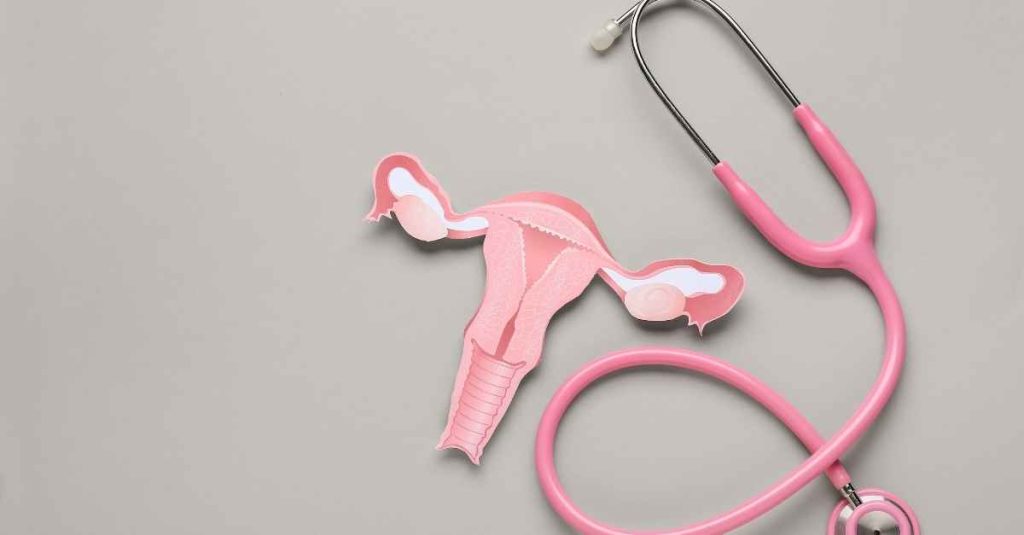
When many women hear the name "uterine prolapse", the first thing that comes to their mind is the fear and worry of serious diseases. But how much can this problem really affect a person's life? Is it always dangerous or should we be worried only in some situations? In this article, we are going to talk in simple but scientific language about the symptoms, causes and complications of uterine prolapse and check when this problem needs immediate treatment. If you want to know whether this situation can threaten your health or not, I suggest you read this article to the end.
What are the symptoms of uterine prolapse?
Uterine prolapse is one of the common problems among women, especially after multiple births or during menopause. This complication is caused by the weakness of the muscles and ligaments that support the uterus and can be accompanied by symptoms such as a feeling of heaviness in the pelvis, vague back pain, abnormal bleeding, and part of the uterus protruding into the vaginal opening. In the early stages, the symptoms may be mild and can be ignored, but if they progress, they can affect the quality of life and even the daily activities of the person. Early detection of these symptoms helps to make the treatment process easier and more successful.
When should we see a doctor?
If you feel pressure or a lump in the vagina, or if you encounter problems such as urinary incontinence, pain during intercourse, or unusual bleeding, it is necessary to see a gynecologist. Early diagnosis and treatment can prevent the progression of the disease and the need for complex surgeries.
The main causes of uterine prolapse:
Uterine prolapse depends on various factors. Multiple births, especially difficult natural births, increasing age and decreasing estrogen hormone levels, obesity and overweight, heavy activities and even genetic background can be the main causes of this disease. Also, women who have gone through menopause or have congenital weakness of connective tissues are more exposed to this problem. Knowing these factors helps to reduce the probability of disease by changing lifestyle or proper medical care.
Who are most at risk?
Women who have given birth several times, are overweight or have heavy jobs are more prone to uterine prolapse than others. Also, during menopause, due to the decrease in estrogen, tissues become weaker and the possibility of disease increases.
Methods for treating uterine prolapse:
Uterine prolapse can be treated in different ways according to the severity of the disease. In mild stages, strengthening exercises such as Kegel exercises, lifestyle changes and weight loss are effective. Using a device called "Pesari" is also a suitable option for some patients. In more severe cases, minimally invasive surgeries or pelvic floor tissue reconstruction are recommended. Choosing the best method of treatment depends on the individual's condition, age, severity of the disease and the opinion of the expert doctor.
Is surgery always necessary?
No. Many women in the early stages can improve with exercise, physical therapy, or a pessary. Surgery is usually recommended for patients who have severe prolapse or who have not responded to non-surgical treatments.
Effective exercises to strengthen the uterus:
Exercise plays an important role in preventing and even treating uterine prolapse. Kegel exercises, which are performed to strengthen the pelvic floor muscles, are one of the best solutions. In addition to Kegels, yoga movements and specific breathing exercises can help strengthen this area. Continuity in doing the exercises and observing the correct technique is very important because doing the wrong movements can have the opposite result.
What sports are prohibited?
Heavy exercises such as lifting heavy weights or vigorous jumping movements are not recommended for women with prolapsed uterus. Choosing the right exercise should be done with the opinion of a doctor or physiotherapist.Different stages of uterine prolapse:
Uterine prolapse is divided into four stages based on the severity of the disease. In the first stage, the uterus descends a little and usually the symptoms are mild. In the second stage, the sagging becomes more obvious and the patient feels more pressure. The third stage is when the uterus approaches the vaginal opening and the symptoms become more severe. In the fourth stage, the uterus protrudes from the vagina, which requires immediate medical intervention.
How are the prolapse stages recognized?
Diagnosis of uterine prolapse stages is performed by a gynecologist and clinical examination. The severity of the symptoms, the degree of protrusion and the impact on daily life are the criteria that the doctor considers to determine the stage of the disease.
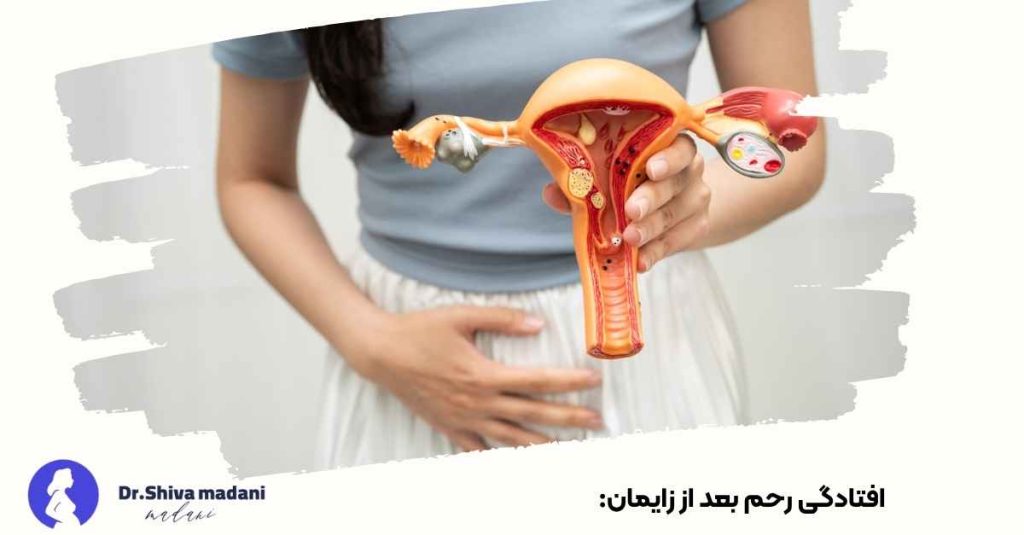
Prolapse of the uterus after childbirth:
Natural childbirth, especially if it is difficult or multiple births, is one of the most important causes of uterine prolapse. In this condition, the muscles and tissues supporting the uterus are stretched and weakened, and the uterus may fall from its original position. Symptoms of this condition can include a feeling of heaviness in the pelvis, back pain, or seeing a protrusion in the vagina. The more the number of births, the greater the probability of uterine prolapse.How to prevent uterine prolapse after childbirth?
Pelvic floor exercises, proper postpartum care, avoiding heavy lifting and following a healthy diet can reduce the risk of this problem. If you see symptoms, seeing a doctor early helps to control the disease.
Uterine prolapse in menopause:
With the onset of menopause and the decrease in estrogen hormone levels, the muscles and ligaments of the pelvic floor become weaker, and this increases the probability of uterine prolapse. Women during this period may experience symptoms such as feeling of pressure in the pelvis, urinary incontinence and sexual problems. If this problem is not treated, it can seriously affect a person's quality of life.
The best methods of treatment in menopause
Local hormone therapy, use of pessary and, if needed, minimally invasive surgeries are some of the recommended methods for treatment in this era. Doing proper sports and paying attention to healthy eating also play an important role in prevention.
The role of nutrition in uterine prolapse:
Healthy nutrition rich in nutrients can be effective in preventing and even improving the symptoms of uterine prolapse. It is necessary to consume foods rich in fiber to prevent constipation, protein to regenerate tissues, and calcium and vitamin D to strengthen muscles and bones. On the other hand, high-fat, salty and processed foods can increase the risk of developing this condition.
What foods are useful for the uterus?
Fresh vegetables, fruits, low-fat dairy products, nuts and whole grains are among the best options for women. The use of herbal teas such as fennel and fenugreek are also recommended in some traditional sources to strengthen the uterus.
What is pessari and how does it work?
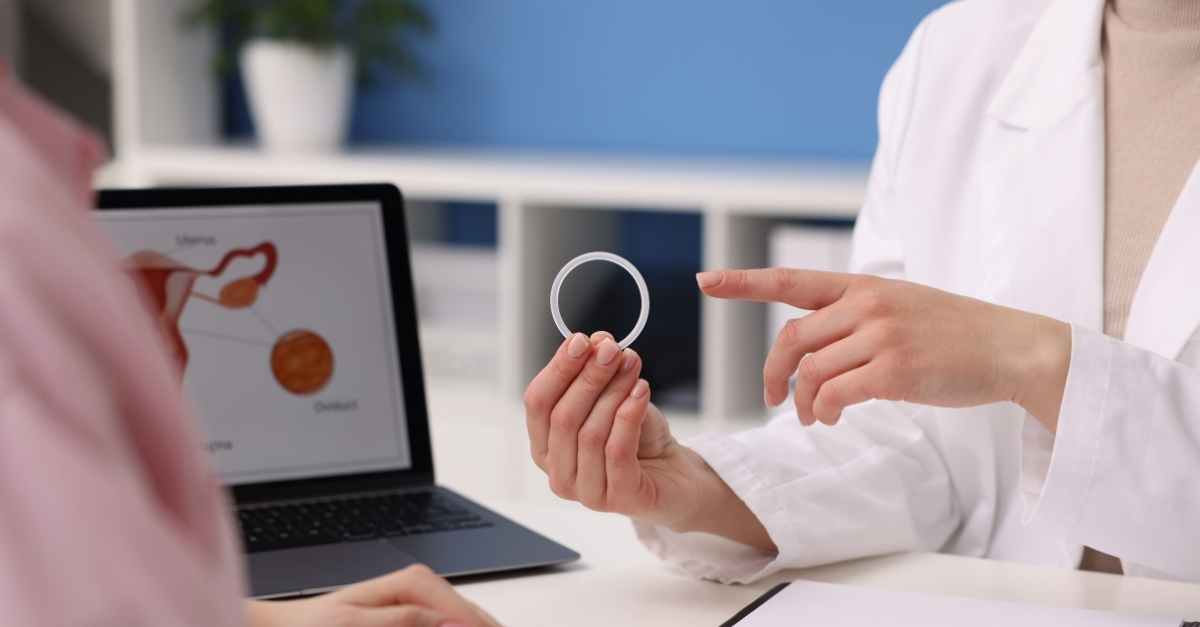
A pessary is a medical device designed as a ring or cube and placed inside the vagina to hold the uterus in place. This device is especially useful for women who do not want to undergo surgery or do not have suitable physical conditions for the operation. Proper and regular use of a pessary can help reduce the symptoms of uterine prolapse and improve a person's quality of life.
Is it safe to use a pessary?
In case of hygiene and regular examination by a doctor, pessary is considered a safe and effective method. However, it is necessary to change or clean it every once in a while to prevent infection.
uterine prolapse surgery; When is it necessary?
Surgery is one of the main methods of treating uterine prolapse in advanced stages. Depending on the patient's condition, pelvic floor reconstruction surgery, hysterectomy (uterus removal) or minimally invasive surgeries such as laparoscopy may be performed. The purpose of these operations is to return the uterus to its original position and remove the annoying symptoms. Choosing the right method is done according to the age, severity of the disease and the patient's desire.
Care after surgery
Adequate rest, avoiding heavy activities, taking prescribed medications and attending medical follow-up sessions are the most important post-operative care points. Observing these things helps to reduce complications and return to normal life faster.
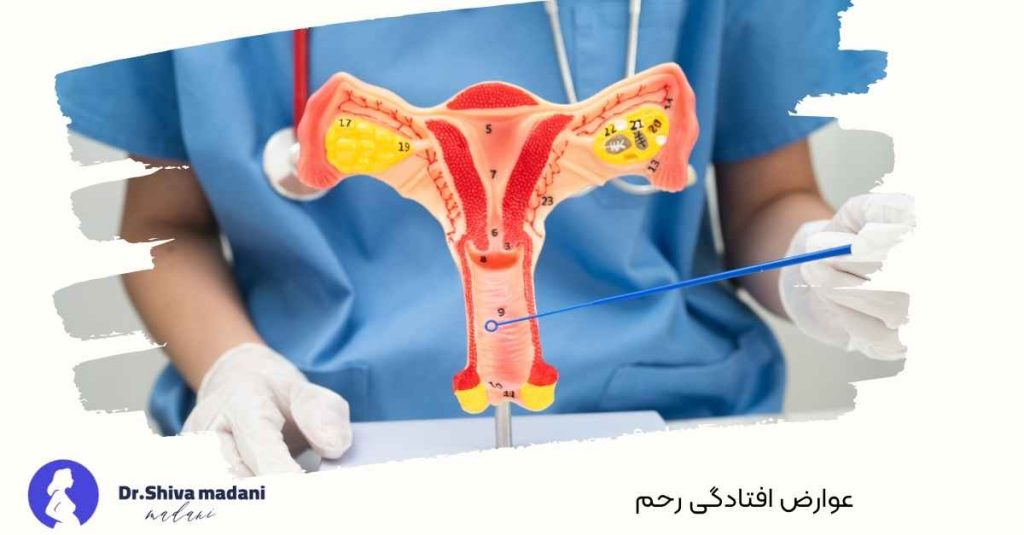
Effects of uterine prolapse:
If uterine prolapse is not treated on time, it can have many consequences for women's health. The most common complications of this disease include urinary incontinence, intestinal problems, chronic pelvic pain, abnormal bleeding, and even frequent infections. In addition to physical problems, this condition can lead to a decrease in self-confidence, disruption in marital relations, and a decrease in the quality of life.Why is early detection important?
Quick and timely treatment prevents the progression of the disease and the need for complex surgeries. Also, reducing symptoms in the early stages can play an important role in improving a person's quality of life.
Methods to prevent uterine prolapse:
Although some factors such as aging or genetics cannot be controlled, but following a healthy lifestyle can largely prevent uterine prolapse. Performing regular pelvic floor exercises, weight control, having a balanced diet, and avoiding lifting heavy objects are the most important preventive measures. Also, paying attention to postpartum care and avoiding long-term constipation plays an important role in prevention.
Who should be more careful?
Women who have given birth several times or are in menopause, it is better to pay more attention to the health of their pelvis and undergo regular medical examinations.
The effect of uterine prolapse on sex:
Uterine prolapse can cause problems in marital relations. Women with this condition may experience pain, vaginal dryness, or decreased libido during intercourse. These problems sometimes lead to worry and reduced self-confidence in life together. However, many of these complications can be controlled with proper treatment and medical advice.
How to maintain healthy relationships?
Talking with your spouse, visiting a specialist doctor, and choosing appropriate treatment methods such as pessary, hormone therapy, or surgery, can help restore healthy sexual relations. Also, using lubricants or changing positions can reduce some of the problems.
Prolapse of uterus during pregnancy:
Although uterine prolapse is more common after childbirth, it also occurs in some pregnant women. This condition can cause a feeling of pressure in the pelvis, pain and even problems with urination. In severe cases, uterine prolapse may affect pregnancy and childbirth. Early diagnosis during pregnancy is very important to prevent possible complications for the mother and fetus.
Is pregnancy with prolapsed uterus dangerous?
In mild stages, the pregnancy can usually be continued and managed with special care. But in advanced cases, the doctor may use a pessary or supportive measures. The decision about the type of delivery should also be made with the expert's opinion.
Pelvic floor physiotherapy and its role in the treatment of uterine prolapse:
Pelvic floor physiotherapy is one of the most effective non-surgical methods for treating uterine prolapse. This method includes specialized exercises, use of biofeedback devices and sometimes electrical stimulation to strengthen weak pelvic muscles. Many patients experience reduction of symptoms and improvement of quality of life after a few sessions of physiotherapy.
When is physiotherapy recommended?
In the early or middle stages of the disease, physiotherapy is the best option. Also, this method is a good choice for women who do not want surgery or are in the postpartum period.
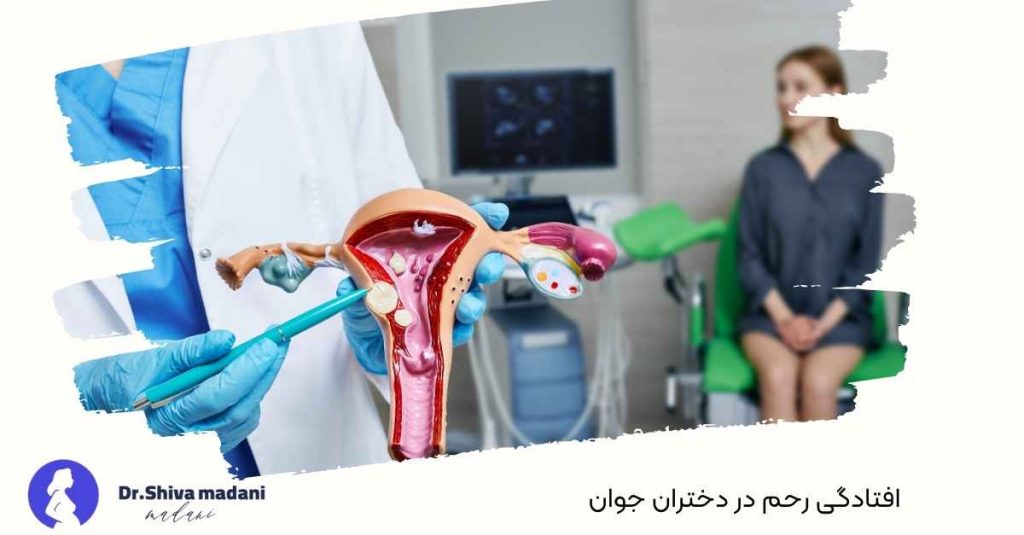
Does uterine prolapse also occur in young girls?
Although uterine prolapse is more common in women after childbirth or during menopause, this condition can also occur in girls and young women. Its reasons include congenital weakness of connective tissues, heavy sports or work activities, severe weight loss or genetic problems. In this age group, symptoms may be milder and diagnosed later.
Treatment methods in young girls
Treatment in these people is mostly based on pelvic floor exercises, physiotherapy and lifestyle modification. Surgery is recommended only in severe cases or resistant to non-invasive treatments.
How much does uterine prolapse treatment cost?
The cost of uterine prolapse treatment varies depending on the chosen method. Non-surgical treatments such as exercise, physical therapy or using a pessary are usually less expensive. On the other hand, surgeries such as hysterectomy or pelvic floor reconstruction are more expensive and require hospitalization. Other factors such as insurance, place of residence and doctor's expertise are also influential in determining the final cost.
Which method is more economical?
If the disease is in the early stages, non-surgical treatments are more economical and effective. In advanced stages, although surgery is more expensive, in the long run it can completely remove the symptoms.
Relation between uterine prolapse and infertility:
One of the common concerns among women with uterine prolapse is the possibility of infertility. Uterine prolapse in mild stages usually does not affect fertility, but in severe cases it may prevent proper placement of the fetus or even cause repeated miscarriages. Also, hormonal disorders or other associated problems such as bladder prolapse can affect fertility.
Is it possible to get pregnant?
Yes, many women with uterine prolapse can have a successful pregnancy. But there is a need for more careful care, continuous follow-up and in some cases pre-pregnancy treatment.
The role of lifestyle in uterine prolapse:
Unhealthy lifestyle can increase the risk of uterine prolapse. Factors such as obesity, inactivity, smoking, lifting heavy objects and improper nutrition are the most important aggravating factors. On the other hand, having a balanced weight, regular exercise, a diet rich in fiber and avoiding constipation can help prevent this disease.
How does lifestyle modification help?
By changing daily habits, you can reduce the pressure on the pelvic muscles and facilitate the treatment or prevention process. In addition to the health of the uterus, these changes also have a positive effect on the general health of the body.
Relationship of uterine prolapse with urinary problems:
One of the most common consequences of uterine prolapse is the occurrence of urinary disorders. Many women experience urinary incontinence, difficulty in emptying, frequent urination or even frequent urinary tract infections. These problems are caused by changing the position of the uterus and its pressure on the bladder.
Solutions to treat urinary problems
Treatment can include pelvic muscle strengthening exercises, physical therapy, using a pessary, and in severe cases, surgery. Visiting a doctor and accurately diagnosing the type of disorder is the first step to choosing the right treatment.
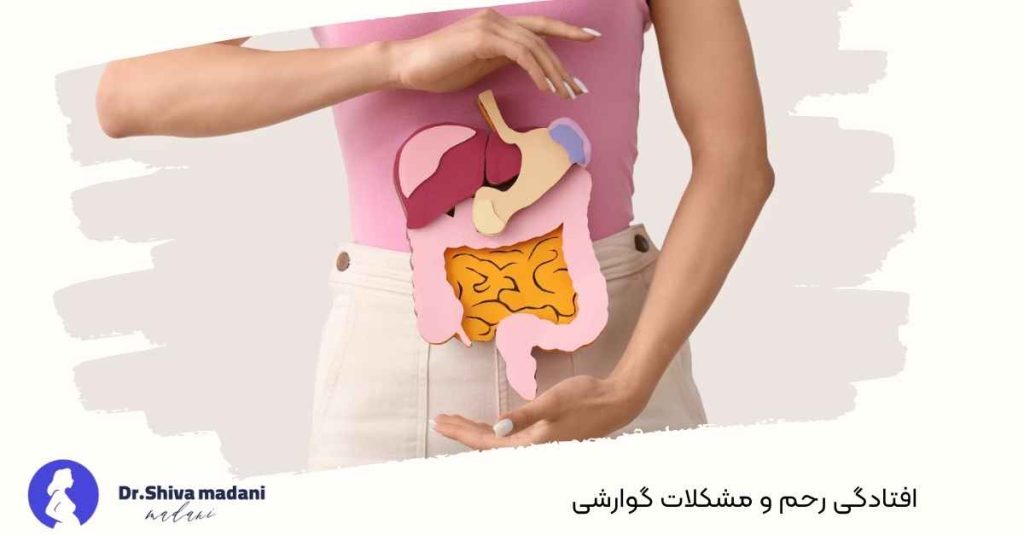
Uterine prolapse and digestive problems:
Uterine prolapse can not only be limited to the reproductive system and sometimes causes digestive problems. The pressure of the uterus on the colon may lead to chronic constipation, a feeling of incomplete emptying and even abdominal pain. In addition to causing daily discomfort, these complications can severely reduce a person's quality of life.
How can digestive problems be controlled?
Increasing fiber intake, drinking enough water, regular exercise, and in severe cases consulting a gastroenterologist and gynecologist are the best solutions to manage these problems.
The difference between uterine prolapse and bladder prolapse:
Although both complications are caused by the weakness of the pelvic floor muscles, they have fundamental differences. Uterine prolapse occurs when the uterus itself moves downwards, while in bladder prolapse, the front wall of the vagina and bladder prolapse. The symptoms of these two diseases may be similar, but their treatment and management are different.Why is accurate diagnosis important?
Correct diagnosis by a gynecologist with a careful examination can prevent the wrong treatment. Some patients may have both problems at the same time, and in these cases, a combined treatment approach is needed.
Methods for detecting uterine prolapse:
Diagnosis of uterine prolapse usually begins with a clinical examination by a gynecologist. The doctor determines the stage of the disease by observing the position of the uterus and asking about the patient's symptoms. In some cases, imaging such as MRI or ultrasound is also used for a more detailed examination.
When should you see a doctor?
If you feel unusual pressure in the pelvis, urinary incontinence or see a lump in the vagina, it is necessary to see a doctor immediately. Early diagnosis makes the treatment simpler and more effective.
Effect of age on uterine prolapse:
Aging is one of the most important risk factors in the occurrence of uterine prolapse. As the age increases and the level of estrogen hormone decreases, the muscles and ligaments of the pelvic floor become weaker. For this reason, women over 45 years old, especially during menopause, are more exposed to this disease.
How can you protect the uterus as you get older?
Regular exercises, healthy eating and periodic visits to a specialist doctor are the most important measures that women can take to maintain the health of the uterus in middle age and old age.
The effect of uterine prolapse on mental health:
Uterine prolapse is not only a physical problem, but it can have many psychological consequences. Many affected women experience feelings of shame, decreased self-confidence, and anxiety. This issue sometimes causes depression and decreases the quality of family and social relationships.
How to deal with psychological effects?
Talking to a doctor, receiving psychological counseling and family support play an important role in managing these problems. Also, physical treatment of uterine prolapse usually improves the patient's mental condition.
Which sports are prohibited for women with uterine prolapse?
Although exercise is generally beneficial for body health, some movements can worsen the condition in women with prolapsed uterus. Jumping sports, lifting heavy weights, long runs and intense abdominal movements put a lot of pressure on the pelvic floor and may aggravate prolapse.
What sports are suitable alternatives?
Kegel exercises, yoga, light walking and swimming are safe options that help strengthen the pelvic muscles and can be done without additional injury.
Essential care after uterine prolapse surgery:
After uterine prolapse surgery, following special care is very important for the success of the treatment. Adequate rest, avoiding lifting heavy objects, following a proper diet to prevent constipation and regular use of prescribed medications are the most important points. It is also necessary for the patient to attend the doctor's follow-up sessions.
How long does it take to heal?
Recovery time varies depending on the type of surgery, but usually takes between 4 and 6 weeks. During this period, heavy activities and sex should be avoided.
The experience of women with uterine prolapse:
Hearing the experience of other patients can be hopeful and informative for women who have just encountered this condition. Many women report that they have been able to control their symptoms with lifestyle changes, regular exercise, or using a pessary. Others have reported that their quality of life improved significantly after surgery.
Why is it important to share experiences?
Personal experiences can help other women become more aware, less afraid, and seek treatment sooner.
Why is it necessary to see a doctor for uterine prolapse?
Uterine prolapse is a disease that cannot be diagnosed based on external symptoms alone. Gynecologist determines the severity of the disease and suggests the most appropriate treatment method with a detailed examination and, if necessary, tests and imaging. Self-medication or ignoring the symptoms can lead to the progression of the disease.
What specialty is more suitable for treatment?
gynecologist is the best person to diagnose and treat uterine prolapse. In cases where there are urinary or digestive problems, consultation with a urologist or gastroenterologist may also be necessary.
The latest research on uterine prolapse:
New research shows that minimally invasive treatments such as laser surgery, use of new materials in pelvic floor reconstruction, and new physiotherapy methods can bring better results for patients. Also, research on the effect of genetics and hormones on the occurrence of this disease is expanding.
What will be the future treatment of this disease?
With medical advances, it is expected that in the future, simpler, less risky and less complicated treatments will be available for women with uterine prolapse. These innovations have created new hope for patients.
Final summary
Uterine prolapse is a common but controllable complication among women, which can be associated with symptoms such as pelvic pressure, back pain, and urinary and digestive problems. As we have reviewed, several factors such as frequent births, ageing, decreasing hormone levels and unhealthy lifestyle play a role in the occurrence of this disease. Fortunately, today, various solutions are available for treatment, from pelvic floor strengthening exercises to minimally invasive surgeries. Choosing the best treatment method should be done based on individual conditions, the severity of the disease and the opinion of a specialist doctor.
A look into the future and practical recommendations
What is important is early detection and attention to prevention. Women can reduce the possibility of uterine prolapse by following a healthy diet, regular exercise and regular check-ups. Finally, being aware of this disease and seeing a doctor on time will not only improve the quality of a person's life, but will also prevent more serious complications. href="#">
Write your opinion Cancel Answer
Latest Articles
Care after vaginal RF
07/23/1404

blog Women's beauties Services Stay updated by subscribing to our newsletter
Stay updated by subscribing to our newsletter
مقالات دیگر از Dr. Shiva Madani Hosseini

Endometriosis from diagnosis to treatment
What is endometriosis? Replacement of the tissue of the inner wall of the uterus in other areas of the body is called endometriosis. There are four theories about the cause of endometriosis: ۱- اندوم...

Hymen or hymen
### Hymen or hymen Hymen is a membrane that covers the opening of the vagina. This word is a Greek word and is derived from the name of the goddess of marriage. In the initial embryonic stage, there...

Injection of gel into the vagina
One of the most common methods of vaginal rejuvenation is **injection of gel into the vagina**, due to women's satisfaction with the result of the operation, the demand for doing it is increasing. Pre...

Pain and swelling after labiaplasty
All people who do labiaplasty experience pain and swelling in the operation area, and this is completely normal. The swelling and inflammation that occurs after labiaplasty and its severity can be lo...

Suitable people for labiaplasty
What is labiaplasty? Labiaplasty is performed to reduce the size of the labia and to improve the beauty and condition of the labia, but the question that arises is who are suitable for labiaplasty, th...

What are stretch marks or stretch marks?
stretch marks or stretch marks Stretch marks or striae are skin lesions that appear in the form of lines in the thighs, hips, abdomen and breasts due to thinning of the skin and indentation of the s...

Anatomy of the female reproductive system
Knowing the anatomy of the female reproductive system will help women to have a better understanding of the condition of their organs so that if they see a problem in that organ, they can take better...

What is premenstrual syndrome or PMS?
What is premenstrual syndrome or PMS? It is a group of physical and mental symptoms that occur periodically and close to menstruation in women. About 75% of women suffer from mild premenstrual syndrom...

Vaginal infection
Vaginal infection is one of the most common reasons for visiting a gynecologist, which is caused by the disruption of the microbial balance of the vagina. In this article, after introducing the types...

Urinary tract infection in women
Urinary tract infection is an infection that involves the urinary tract including: urethra, bladder and kidneys. They are parasitic, bacterial, fungal or viral infections. Urinary tract infections th...

Reason for delayed period
What is the reason for delayed period? In general, the main and common reasons for delayed periods are: - **Stress** - **weight fluctuations** - **Hormonal disorders** - **pregnancy** - **use of dru...

Gestational diabetes from diagnosis to treatment
Complications of gestational diabetes - Birth of a baby with high weight (macrosomia) - Abortion - stillbirth - Pregnancy toxicity (pre-eclampsia) Cause of gestational diabetes During pregnancy, ho...

SEO site management services
Search engine optimization (SEO) services help you to rank your website higher in the search results of Google and other search engines.

Implementation of branding and digital advertising
Digital branding means creating a strong and distinctive brand in the digital space for a company or a specific product. This process involves using digital methods and strategies to build and strengthen the brand.

Website design for companies and businesses
Website design for companies and businesses can help you have a stronger online presence and attract more customers. Contact us for more information.
